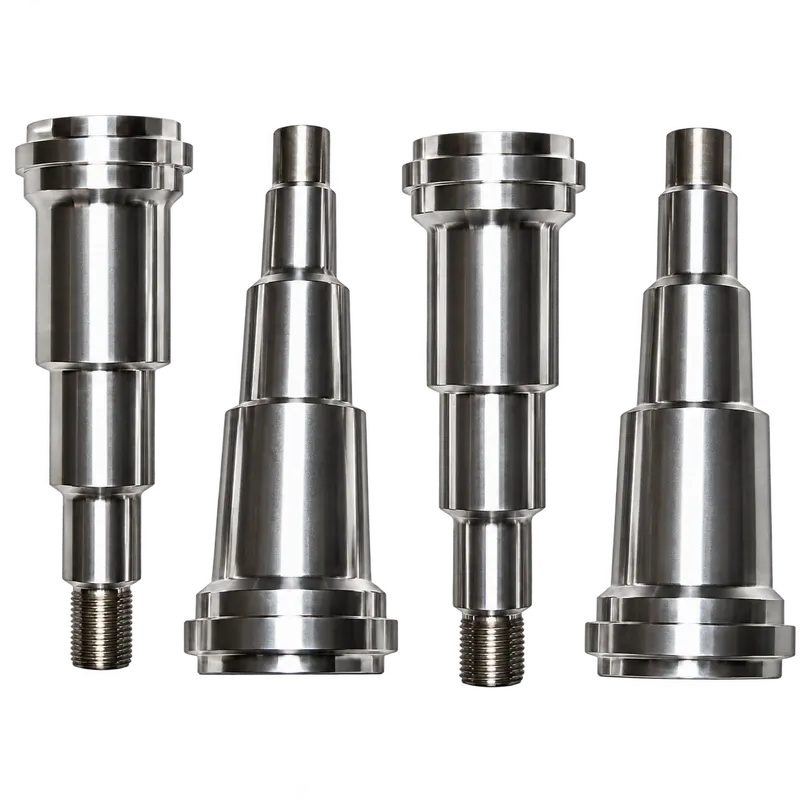
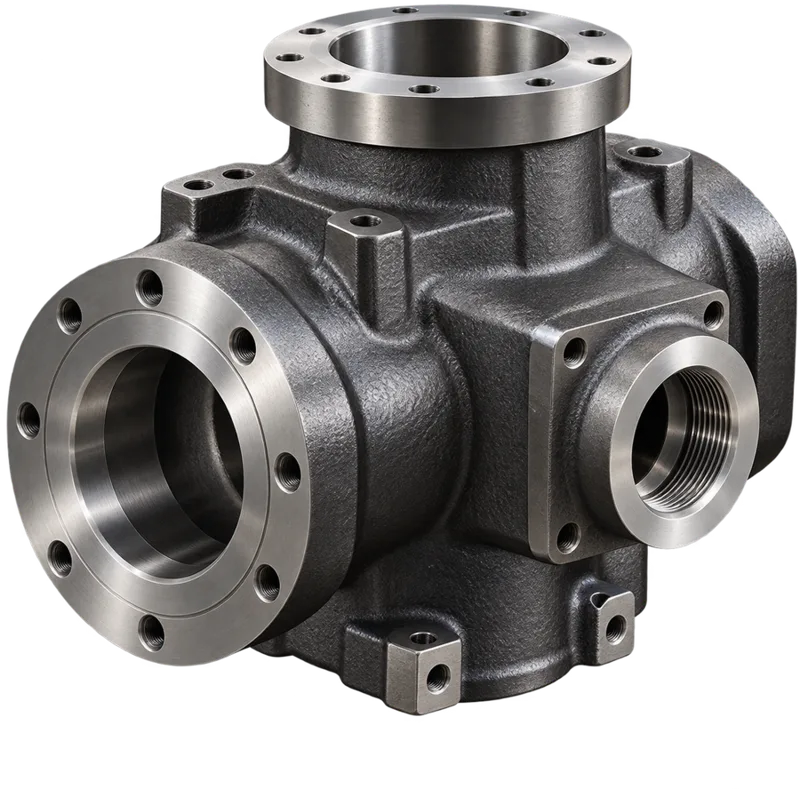
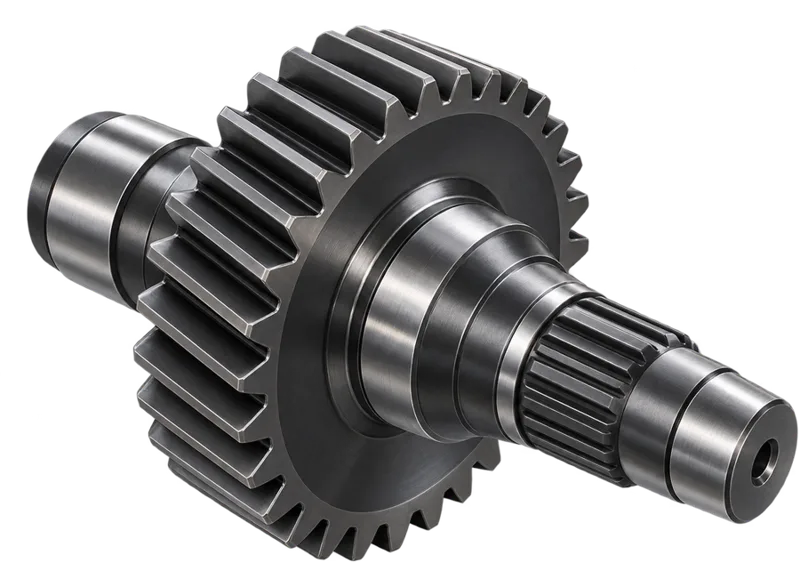
Every component has a job in an assembly. Explore the applications, representative parts and technical details that help us understand yours.
01 / FIELD NOTES
Seven sectors. Drawing-led solutions.
These application families help frame an enquiry. Final suitability, standards and acceptance requirements are reviewed for each component.
COMPONENT STUDY / 01 · Representative geometry
01 / Industrial transmission
Where movement becomes useful work.
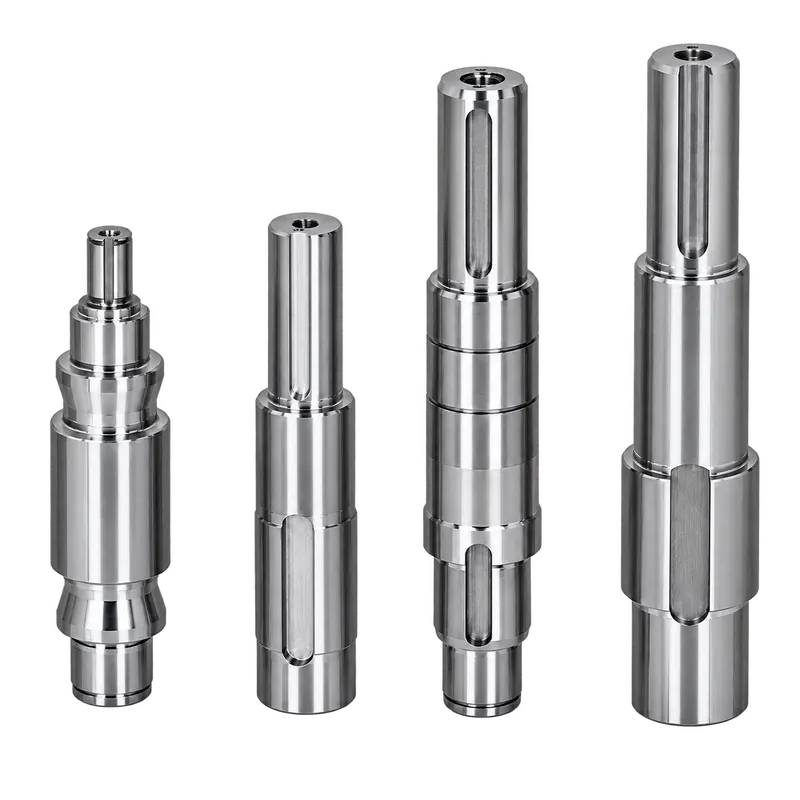
Shafts, flanges and couplings sit at the interfaces that transfer movement through an assembly. Share the mating details so the review can focus on the features that locate, align and connect the part.
Flanges · shafts · couplings
Mating diameters and fit requirements
Keyway or spline definition, where applicable
Material condition and critical alignment features
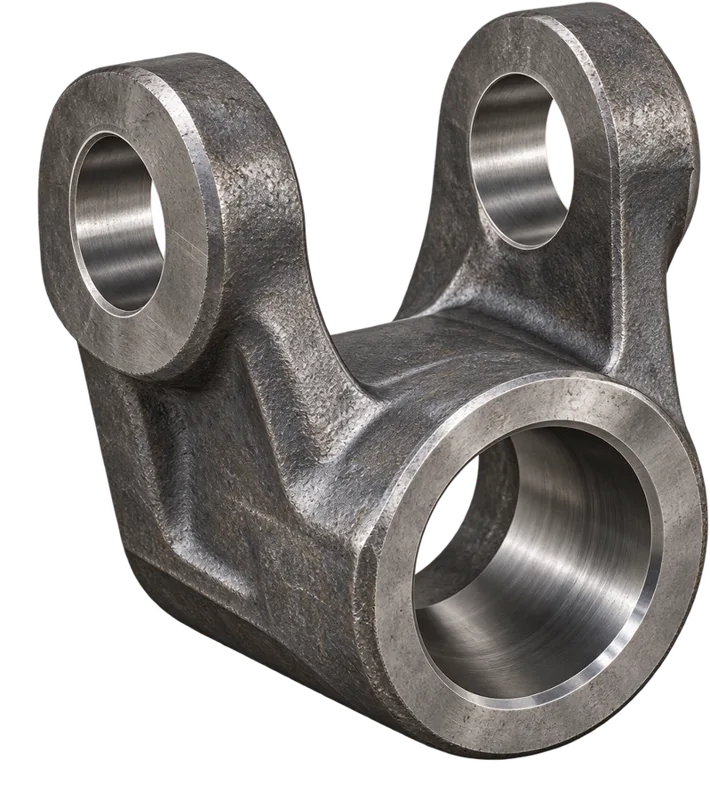
From PTO-related parts to yokes and hubs, an agricultural component needs a clear definition of how it connects to the surrounding machine. A drawing and assembly context help distinguish functional features from unfinished surfaces.
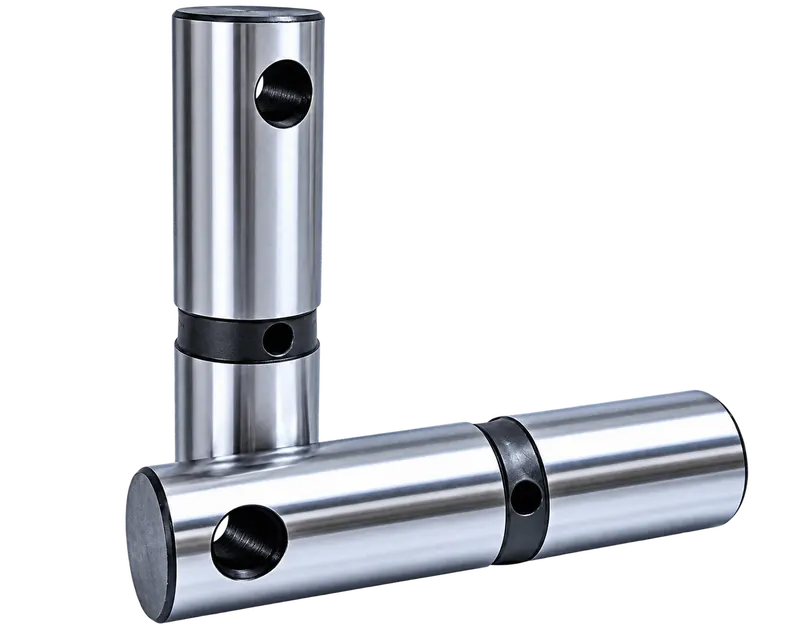
Pins, bushes and linkage components bring multiple moving parts together. Identify the working surfaces, lubrication features and retention details so the manufacturing brief reflects the assembly.
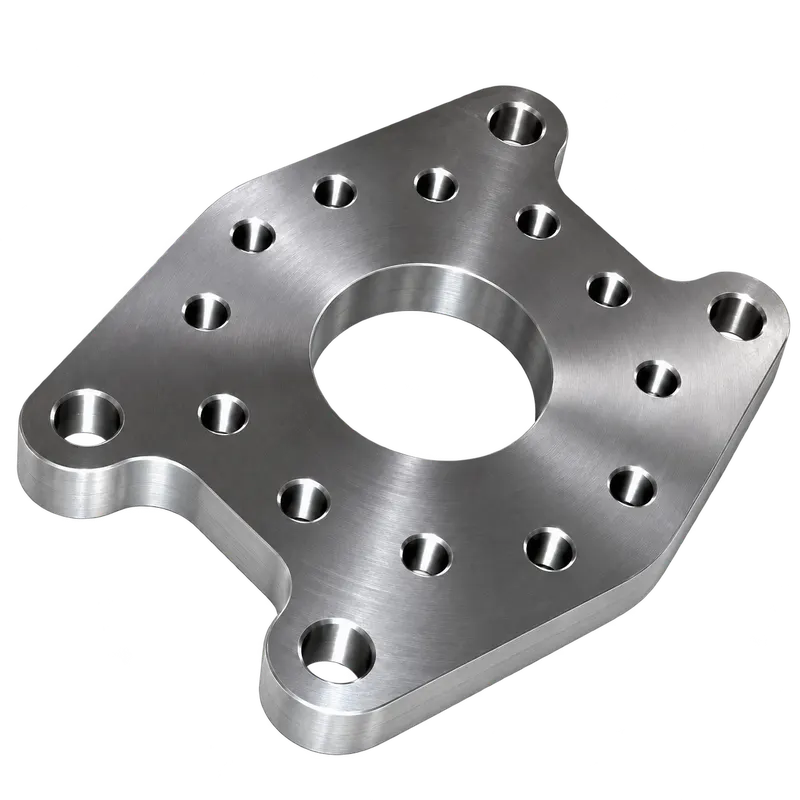
A custom engineering part rarely fits a catalogue description exactly. Start with the features that matter to function: a locating bore, a bolt pattern, a mounting face or a machined profile.
Spindles, hubs and custom forgings are reviewed in the context of your production process. Clarify whether the component is required as a forging, partly machined or finished to the drawing.
For stems, flanges and valve-body enquiries, the drawing must be accompanied by the relevant service and material requirements. Required testing, standards and documentation are reviewed before the scope is agreed.
A reference component can help explain a requirement, but a controlled drawing is the basis for agreeing dimensions and acceptance. Include fit, material and revision information when discussing replacement parts.
Wear parts · custom forgings · component enquiries
Drawing or dimensional definition of the replacement
Component drawing and revision, plus a model if available.
Application, mating parts and any critical interfaces.
Material, treatment and required standards.
Sample needs, batch quantities and inspection documents.
Q&A / FIELD NOTES
A few useful answers.
My application is not listed. Can I still enquire?+
Yes. The sectors shown are a starting point. Share a drawing, material and quantity so the team can assess the component on its own requirements.
Are these ready-stock products?+
The catalogue shows representative parts and geometries. Availability, manufacturing scope and delivery are reviewed against your drawing and order requirements.
Does a listed sector mean every industry certification is covered?+
No. State any mandatory standard, approval or test in the enquiry. The team must confirm the required scope before an order is accepted.
Your drawing. Our next move.
From first sample to full production. Let’s make it happen.